
Cervid Facts
Apply for a CCA Membership Already a member, login here.
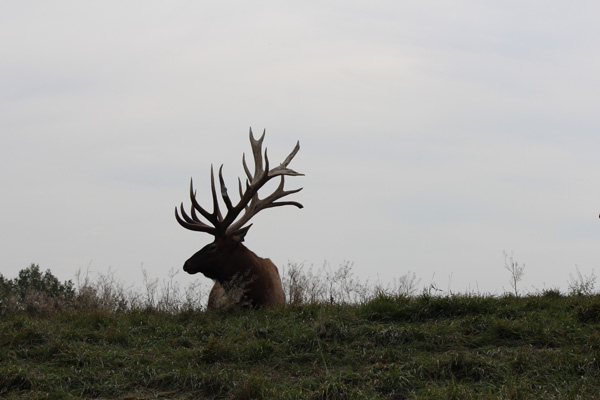
Quick Facts
- Canada has been raising domestic cervids since the 1960s — over 60 years of farming heritage
- Canada has approximately 400 cervid farms and 30,000 farmed animals
- Elk (wapiti) are the primary species raised, along with red deer, reindeer, fallow deer, and white-tailed deer
- Farmed cervid are a regulated livestock species under federal and provincial frameworks
Multiple Revenue Streams
Cervid farming allows producers to generate several products from the same animal:
- Velvet antler (harvested annually, renewable)
- Hard antler (naturally shed, used for dog chews and crafts)
- Venison (lean, high-protein red meat)
- Breeding stock and genetics
- Hunt preserves
- Agrotourism (on-farm experiences)
Interesting Cervid Facts
- Cervids are the only mammals that regrow a complete set of antlers every year
- Antlers are among the fastest-growing tissues in the animal kingdom
- Elk can grow antlers weighing over 40 lbs in a single season
- Antlers are initially covered in velvet, a living tissue rich in blood supply
- Cervids are ruminants with a four-chambered stomach, allowing efficient forage use
- Elk can run up to 70 km/h (45 mph) and are strong swimmers
Unique Production Model
- Antlers regrow annually, creating renewable products
- Hard antlers are collected after natural shedding
- Animals are raised in fenced pasture systems
- Cervids are well adapted to Canadian climates and can effectively utilize marginal or mixed-quality land
Industry Today
- The industry has transitioned from over 1,800 farms historically to a smaller, more efficient sector
- Modern operations are more focused on genetics, efficiency, and market-driven production
Animal Health & Oversight
- Regulated by the Canadian Food Inspection Agency (CFIA)
- Mandatory identification and traceability systems